
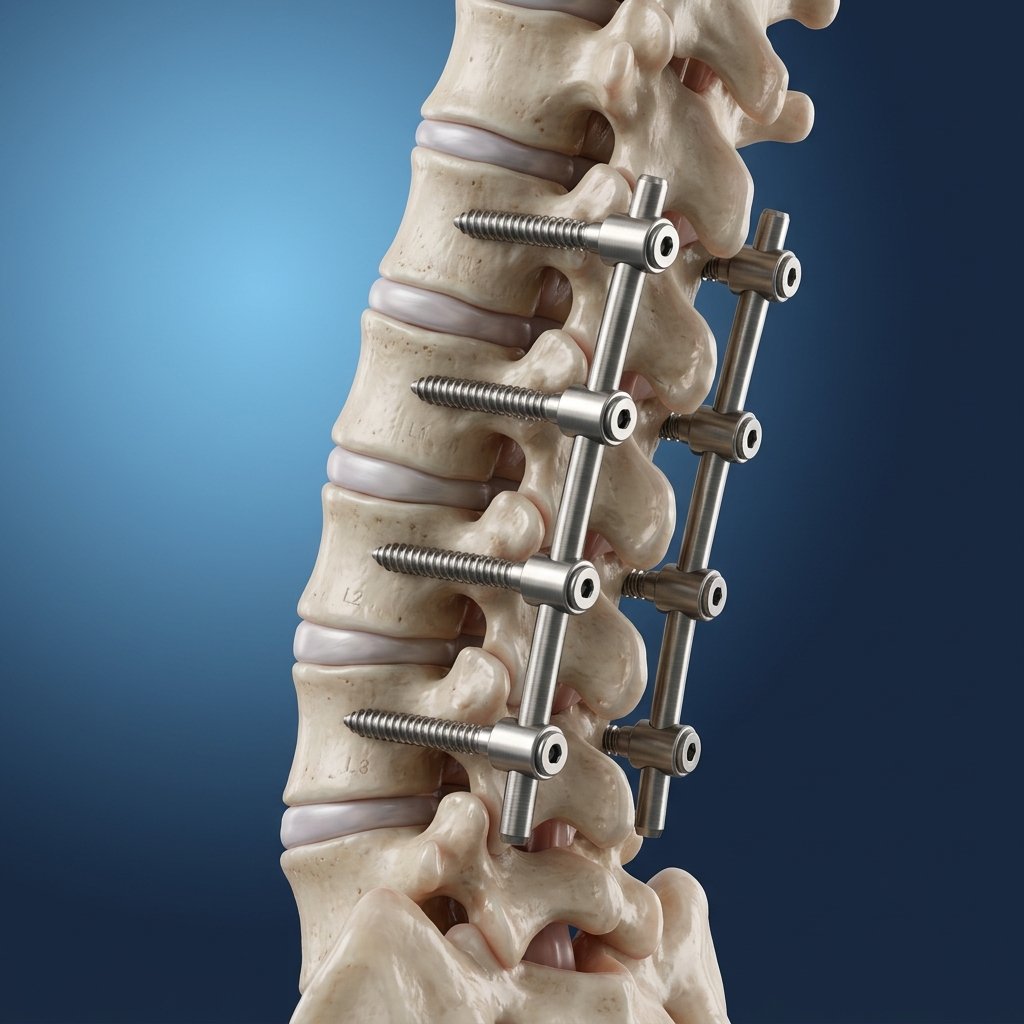
Understanding Spine Fracture Surgery
Spine fractures, often the result of high-impact trauma, falls, or osteoporosis, can severely compromise the stability of the spinal column. These injuries require specialized expertise to prevent neurological damage and restore the patient's quality of life.
The goal of spine fracture surgery is threefold: to stabilize the fractured vertebrae, to decompress the spinal cord if necessary, and to realign the spine to its natural position. By using modern stabilization techniques, we help patients recover faster and move with confidence.
Symptoms of a Spinal Fracture
- Intense, localized back or neck pain following an injury.
- Neurological deficits like numbness or weakness in the limbs.
- Visible spinal deformity or an inability to stand upright.
- Tenderness over the fractured vertebra and surrounding muscles.
Expert Treatment Modalities
Dr. Shrey Binyala provides comprehensive care for all types of spinal fractures, utilizing both minimally invasive and complex reconstruction techniques.
Kyphoplasty
A minimally invasive procedure for compression fractures where a balloon is used to restore bone height before injecting medical cement.
Posterior Stabilization
Using high-strength screws and rods to hold the spinal segments in place, allowing the fracture to heal in its correct alignment.
The Path to Recovery
Timely surgical intervention for unstable fractures is critical for long-term health and mobility:
Immediate Pain Control
Stabilizing the fracture significantly reduces original traumatic pain, allowing for earlier physical therapy and rehabilitation.
Neurological Protection
Surgery protects the spinal cord from further injury caused by mobile bone fragments, preventing potential permanent paralysis.
Restored Spine Alignment
By restoring the spine's natural curvature, we prevent the development of long-term deformities and secondary chronic pain.